




The idea of working from a beach town sounds better than it often is in practice. Slow internet, unreliable power, and a tourist-only atmosphere that evaporates in the off-season make many coastal destinations functionally useless for actual remote work.
The towns on this list have solved those problems. They have reliable connectivity, year-round resident communities, affordable accommodation, and a daily quality of life that makes staying productive genuinely sustainable.
What Makes a Beach Town Actually Work For Remote Workers
The difference between a beach town that works for remote work and one that looks good on Instagram comes down to four practical factors:
Internet speeds consistently above 25 Mbps, a co-working space or multiple cafes with reliable wifi, year-round accommodation options at non-peak pricing, and enough infrastructure to handle daily life without a car trip to a larger city for every minor need. Every town on this list clears those bars.

1. Canggu, Bali, Indonesia
Canggu is the gold standard for remote work beach towns and has been for several years.
The neighborhood has developed a density of coworking cafes, dedicated workspaces, surf schools, Yoga studios, and restaurants that make it function more like a small city than a coastal village. The internet at established co-working spaces like Dojo Bali and Outpost consistently delivers 50 to 100 Mbps, which handles video calls, large file uploads, and demanding cloud-based work without issues.
Monthly rent for a private room in a shared villa runs $300 to $500. A one-bedroom private villa with a small pool and daily cleaning costs $600 to $1,000 per month. Co-working membership at Dojo Bali costs $150-$200 per month, with hot-desk or dedicated desk options. The beach at Echo Beach is a 10-minute walk from most accommodation, and the surf is accessible to beginners and experienced surfers alike.
Indonesia's digital nomad visa allows five-year stays for remote workers earning income outside Indonesia, which makes Canggu a legally straightforward long-term base. Total monthly costs for comfortable remote work living in Canggu land range from $1,000 to $1,800, depending on accommodation standard and lifestyle choices.
2. Playa del Carmen, Mexico
Playa del Carmen solves the beach-town remote-work problem more elegantly than most comparable destinations.
The Fifth Avenue pedestrian strip, running parallel to the beach, is lined with cafes offering reliable wifi, and the town has developed co-working spaces, including WeRemote and Selina, that function as professional environments rather than tourist amenities.
Monthly rent for a furnished apartment within walking distance of the beach runs $600 to $1,100. The internet situation in Playa del Carmen has improved significantly, with fiber connectivity reaching most central neighborhoods at speeds of 50 to 150 Mbps. Local restaurant meals cost $4 to $8. A taco from a street vendor costs $0.75 to $1.00.
The Mexican peso trades at approximately 17 to 18 per dollar, and costs throughout the town reflect Mexican rather than tourist pricing once you move even slightly away from the main tourist strip. American citizens can stay for up to 180 days without a visa, and the Eastern Time proximity, one hour behind, means video calls and collaboration with US-based teams happen at normal working hours without the schedule disruption that Asian beach destinations impose.
3. Hội An, Vietnam
Hội An is the most atmospheric town on this list and one that rewards remote workers willing to build their own work rhythm rather than plugging into an established nomad ecosystem.
The Ancient Town UNESCO heritage area, with its lantern-lit streets, tailor shops, and canal-side cafes, creates a daily environment that is difficult to find anywhere else at any price point.
The wifi situation in Hội An's cafes is generally reliable enough for standard remote work tasks, though co-working infrastructure is less developed than in Canggu or Playa del Carmen. An Bang Beach, 4 kilometers from the Ancient Town by bicycle, has beach clubs with work-friendly setups and ocean views. The commute costs nothing beyond the effort.
Vietnam's coastal towns benefit from the country's ongoing investment in fiber internet infrastructure. Monthly rent for a furnished apartment or house in Hội An runs $250 to $500. A full Vietnamese meal costs $2 to $4. Total monthly costs for comfortable living range from $700 to $1,200, making it one of the most affordable, genuinely livable remote work bases on the beach.
4. Tamarindo, Costa Rica
Tamarindo is the most developed remote-work beach town in Central America. It sits in the northwest province of Guanacaste, Costa Rica, which has attracted a significant expat and nomad population over the past decade.
The town has stable electricity, good fiber internet reaching most accommodations, a Selina property with co-working facilities, and a range of accommodations from budget rooms to private houses with pool access.
Monthly rent for a furnished apartment in Tamarindo runs $700 to $1,300. A Selina coworking day pass costs $15-$20, and monthly memberships cost $150-$200.
The beach itself, a long arc of Pacific coast with consistent surf, is walkable from most accommodations. Costa Rica's electrical grid and internet infrastructure are among the most reliable in Central America.
Costa Rica's digital nomad visa allows two-year stays for remote workers earning at least $3,000 per month, making the legal framework one of the clearest in the region for longer-term remote work residency. The US dollar is widely accepted alongside the colon, making financial transactions easier for American remote workers.
5. Da Nang, Vietnam
Da Nang is the underrated option on this list for remote workers who want beach access with actual city infrastructure. It is not a small beach town in the traditional sense; it is a mid-sized Vietnamese city with a long beach running its entire coastal edge, My Khe Beach, which has calm water suited to swimming and a developing cafe and co-working scene.
The internet in Da Nang is consistently fast by Vietnamese standards, with fiber reaching central neighborhoods at speeds of 50 to 200 Mbps for residential service at $15 to $25 per month.
Monthly rent for a furnished apartment with ocean views runs $300 to $600. Co-working spaces in the city charge $60 to $120 per month. Total monthly costs for comfortable remote work living range between $800 and $1,400.
The proximity to Hội An, 30 minutes by taxi at $8 to $12, gives Da Nang-based remote workers access to both urban infrastructure and the historic town atmosphere, depending on the day's preference. The combination of beach, city infrastructure, fast internet, and Vietnamese costs makes Da Nang one of the most practical and underappreciated beach remote work bases in Southeast Asia.
6. Lagos, Portugal
Lagos sits on the western coast of Portugal and offers the most accessible European beach remote-work option for American and international nomads who want EU infrastructure alongside a coastal lifestyle.
The dramatic limestone cliffs and sea cave beaches of the western Algarve are within cycling distance of the town center, and Lagos itself has developed enough expat infrastructure to function as a year-round remote work base rather than a seasonal resort town.
Monthly rent for a furnished apartment in Lagos runs $800 to $1,400. Internet connectivity is generally reliable, with fiber reaching most town-center apartments at 100 to 300 Mbps. Co-working options are less developed than in Lisbon or Porto, but cafe wifi across the town center is consistently adequate for standard remote work.
Portugal's digital nomad visa allows two-year stays for remote workers meeting income thresholds, making the legal framework for extended stays in Lagos straightforward for qualifying nomads. Total monthly costs for comfortable living in Lagos land range from $1,800 to $2,800, which is higher than Southeast Asian alternatives but competitive within the European context and justified by EU-standard healthcare, infrastructure, and safety.
7. Las Terrenas, Dominican Republic
Las Terrenas is a semi-secret among Caribbean remote work beach towns, largely unknown outside the expat communities that have settled there over the past two decades.
The town sits on the Samaná Peninsula in the northeast Dominican Republic. It has a year-round mild climate, a genuinely beautiful beach with calm water, and a resident community of European and North American expats that has driven infrastructure development beyond what pure tourism would have produced.
Monthly rent for a furnished apartment or small house runs $500 to $900. The internet situation has improved significantly in recent years, with fiber connectivity available through local providers delivering speeds of 25 to 100 Mbps in most central areas. Co-working infrastructure is developing, but not yet at Southeast Asian levels. Several cafes with reliable Wi-Fi serve as workspaces for the local nomad community.
Total monthly costs for comfortable remote work in Las Terrenas range from $1,200 to $2,000. American citizens can stay for up to 30 days on arrival, extendable for additional fees, making longer stays require some administrative management. The Dominican peso trades at approximately 58 to 60 per dollar, and local food, transport, and services reflect Dominican rather than resort pricing for residents who shop and eat locally.
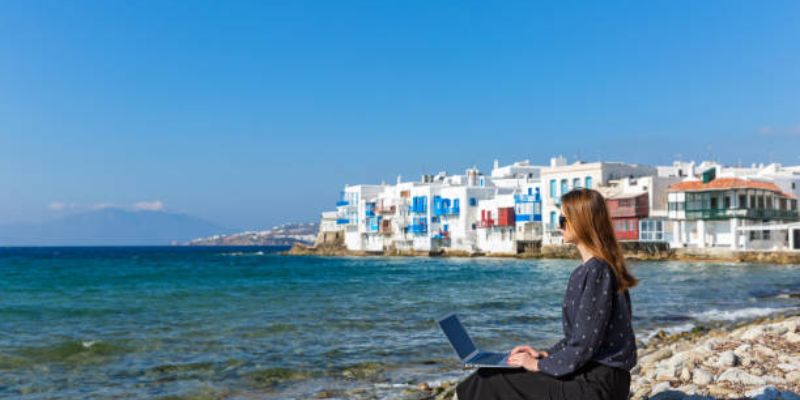
8. Siargao, Philippines
Siargao is best known as a surfing destination, and the surf at Cloud 9, a world-famous reef break, draws visiting surfers year-round. What is less discussed is the island's developing infrastructure for remote workers, including coworking cafes, stable internet in most of General Luna town, and accommodation ranging from $20 to $100 per night, depending on quality and season.
Monthly rent for a furnished room or a small house in General Luna ranges from $250 to $500. Internet connectivity has improved significantly since 2022, with fiber reaching most of the town center at speeds adequate for video calls and standard remote work. The island's atmosphere, palm-lined roads, morning surf culture, and evening gathering spots create a daily quality of life that remote workers who make it there tend to describe with unusual enthusiasm.
The Philippines' affordable destination status for American travelers, with visa-free entry for 30 days extendable to 59 days at minimal cost, makes Siargao accessible without visa complexity for medium-length stays. Total monthly costs for comfortable living in Siargao land range from $700 to $1,200, positioning it among the lowest-cost genuinely viable beach remote work towns available.
Choosing the Right Beach Town for Your Work Needs
The distinction between these towns comes down to your internet requirements, budget, visa status, and tolerance for time zones.
For strict US time zone alignment, Playa del Carmen, Tamarindo, Las Terrenas, and Lagos all operate within manageable time differences. For the lowest absolute cost, Hội An, Da Nang, and Siargao deliver the best value. For the most developed remote work infrastructure, Canggu remains the benchmark against which other beach towns measure themselves.
Spend 1 to 2 weeks with your top candidate before committing to a monthly rental. Test the internet speeds at the co-working space or cafes where you plan to work daily. Walk through the accommodation options in person rather than booking the entire month sight unseen.
Most of the information that determines whether a beach town works for your specific remote work setup can only be gathered by being there, so keep your first booking short and extend once you have confirmed the fundamentals work.